
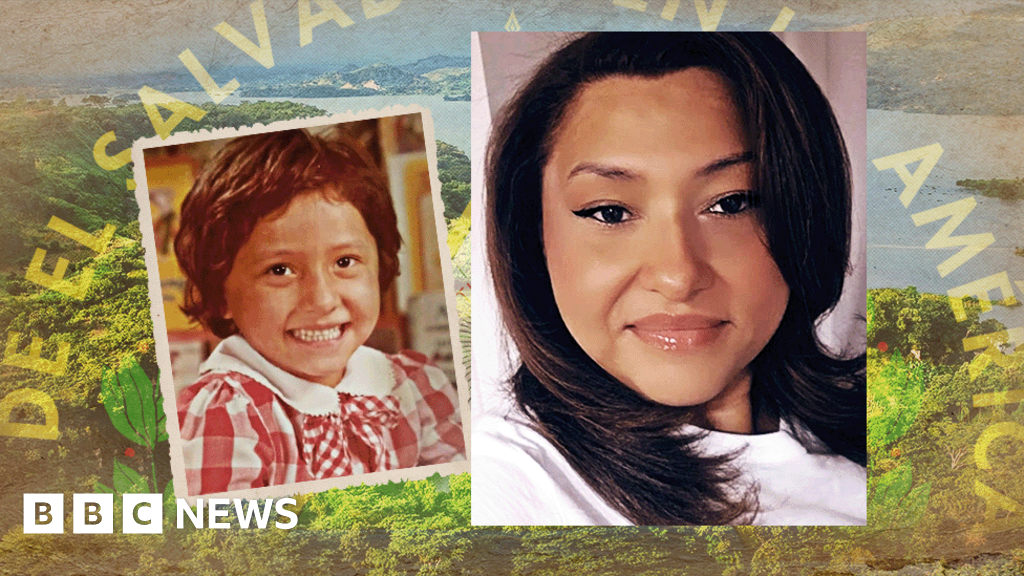
Margarita explains that they’ve also double-checked with the DNA sample that Jazmin sent from France, and it doesn’t match anyone in Antonia Mejia’s family. So she couldn’t even be a lost daughter. It seems that she was adopted using someone else’s identity.
Such cases are not uncommon, says Fr Manuel Acosta, who until recently was a member of an El Salvador national commission on the missing children. He says that back in the 1980s “powerful people like lawyers, military officers and judges, formed illegal networks that trafficked children to foreign parents looking to adopt”.
Many foreign couples would have been unaware of where their children really came from, or that someone had reported them missing, Fr Acosta says.
Jazmin, now left in limbo, admits she still doesn’t know who she really is.
“Probably I will never know the truth,” she says, weeks after getting the devastating news. Margarita and her colleagues have assured her that they will continue their search for answers, and for any birth relatives in El Salvador.
“I will wait for more information,” Jazmin says, “but I don’t want to be disappointed again.”
Meanwhile for Flor, there is a much happier ending.
Using her adoption papers, which (unlike Jazmin’s) proved to be genuine, Pro-Busqueda was able to locate four living relatives – two half-brothers, a half-sister, and an uncle – all living in El Salvador. DNA tests confirmed the relationships.
In March 2024, an emotional face-to-face reunion takes place, and is captured on video.
“Don’t cry, please, I’m here now,” Flor says, as she meets her adult siblings for the very first time.
“I didn’t know you existed, they always told me you weren’t alive,” she tells them.
