




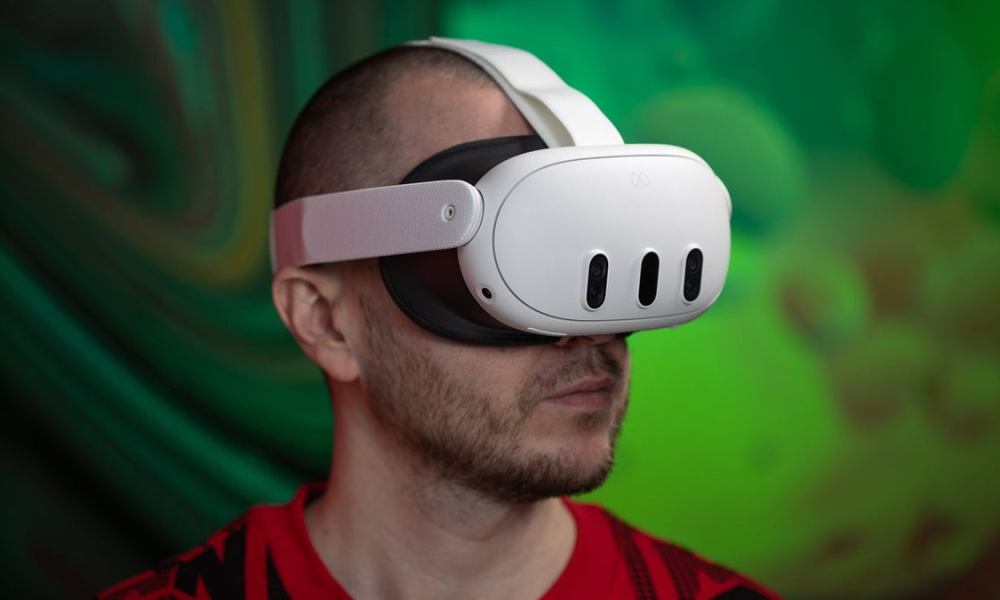
Meta has unveiled Hyperscape, a breakthrough technology designed to transform real-world environments into fully immersive virtual reality spaces.
The innovation, announced on Thursday, marks another major step in the company’s push to build the foundations of the metaverse.
With Hyperscape, users can scan physical locations—from homes and offices to stadiums and museums—and instantly convert them into high-fidelity virtual replicas. The technology leverages advanced computer vision, spatial mapping, and generative AI to capture depth, texture, and environmental details, allowing participants to step into digital twins of real places using VR headsets.
READ ALSO: Meta under spotlight as OpenAI’s legal team questions role in Musk’s $97bn takeover bid
Meta says Hyperscape could revolutionize fields such as remote collaboration, gaming, real estate, tourism, and education. For example, businesses could host meetings in accurate VR models of their offices, while architects and realtors might showcase properties to clients in interactive 3D form. Museums and cultural institutions could also preserve and share heritage sites in virtual spaces, making them accessible to a global audience.
“Hyperscape bridges the gap between our physical world and the metaverse,” said Meta CTO Andrew Bosworth. “It’s about creating experiences that are both familiar and transformative, giving people new ways to interact with spaces they already know.”
The launch comes as Meta doubles down on its long-term bet on VR and AR, despite ongoing scrutiny over costs and adoption rates. Hyperscape is expected to roll out gradually, with pilot programs involving enterprise users, creators, and developers before becoming more widely available to consumers.
The post FROM REALITY TO VR: Meta launches hyperscape to digitize real-world environments appeared first on Latest Nigeria News | Top Stories from Ripples Nigeria.


