


Distressed fashion might seem like throwing on your oldest, most worn-out clothes. But there’s actually more to it than meets the eye! It’s a carefully curated aesthetic that takes inspiration from pre-loved garments and imbues them with a sense of individuality and rebellion.
So, what exactly makes clothing “distressed” and how did this trend come about? Let’s go into rips, tears, and faded fabrics.
Looking “Worn Out”: Techniques of Distressed Fashion
Distressed fashion isn’t just about throwing on a pair of jeans with a hole in the knee. Here are some key techniques used to achieve that desired worn-in look:
-
Fading: This involves lightening specific areas of the fabric to mimic the natural fading that occurs over time with washing and sun exposure. Techniques used for fading include stone washing (washing clothes with pumice stones to create a worn look) and bleaching (applying bleach to targeted areas for a lighter effect).
-
Rips and tears: Distressed fashion strategically incorporates rips and tears in the fabric. These are carefully placed to add an edgy touch and can vary in size and severity, from small frays to dramatic gashes.
-
Fraying: The edges of hems, seams, and pockets are intentionally frayed to create a sense of wear and tear. This adds visual texture and a touch of rawness to the garment.
-
Acid Wash: A more advanced technique, acid washing involves treating the fabric with a diluted acid solution to create a faded and distressed effect with a unique marbled pattern.

A History of Rebellion
Distressed clothing traces back to the counterculture movements of the late 20th century, particularly punk and grunge. These subcultures embraced a DIY (do-it-yourself) approach to fashion, often taking ordinary clothes and distressing them to express their individuality and rebellion against mainstream trends.
-
Punk fashion (1970s-1980s): Punks challenged societal norms through their clothing, and distressed garments were a key part of their look. Ripped and safety-pinned clothing symbolized a rejection of conformity and a desire to make a bold statement.
-
Grunge fashion (1980s-1990s): Grunge embraced a sense of apathy and rebellion through oversized, ripped clothing. Frayed flannel shirts and ripped jeans became staples of the grunge aesthetic, reflecting a rejection of materialism and a focus on comfort over trends.
Beyond Rebellion
While distressed fashion originated as a symbol of rebellion, it has evolved over time. Today, it’s a mainstream fashion trend that can be incorporated into various styles.
-
High fashion embrace: Distressed clothing has found its way onto high-fashion runways, with designers reinterpreting the look with a touch of luxury. High-end brands might use premium fabrics with subtle distressing or create more dramatic rips and tears for a statement piece.
-
Style versatility: Distressed clothing can be dressed up or down depending on your personal style. Ripped jeans can be paired with a blazer for a casual-chic look, while a distressed leather jacket adds an edge to a feminine dress.
-
Gender fluidity: Distressed fashion transcends traditional gender norms. Ripped jeans, once seen as a more masculine style, are now a staple in both men’s and women’s wardrobes.
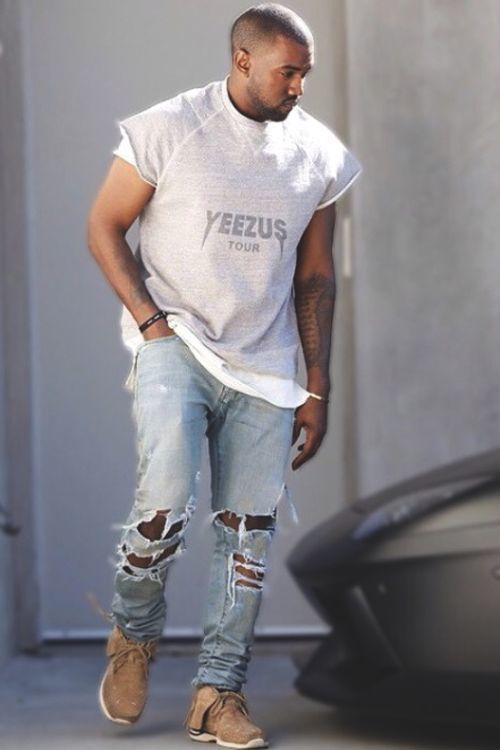
How to Rock Distressed Fashion with Confidence
Ready to incorporate distressed fashion into your wardrobe? Here are some tips:
-
Start subtle: If you’re new to distressed fashion, begin with pieces that have subtle distressing, like lightly faded jeans or a shirt with small frays.
-
Balance is key: Distressed clothing should be a statement piece, not the entire outfit. Pair ripped jeans with a more polished top, or balance a distressed jacket with a more tailored bottom.
-
Consider your body type: Distressed clothing can be flattering on all body types, but choosing pieces that complement your figure is important. For example, high-waisted ripped jeans can elongate your legs, while a distressed sweater can add volume to a slimmer frame.
-
Quality matters: While distressed clothing has a worn-in look, it shouldn’t look sloppy. Choose well-made garments with intentional distressing, not just clothes that are genuinely falling apart.
-
Confidence is key: The most important element of rocking distressed fashion is confidence. Own your look and wear it with pride!
Distressed fashion is more than just ripped jeans and faded t-shirts. It’s a creative process.
Check here for more fashion tips.
The post What Qualifies As Distressed Fashion? appeared first on Fab Magazine.


